
Trauma & PTSD Therapy for Women in Raleigh, NC
Online therapy for women in Raleigh, NC and across NC, TX, IL, VA, PA, DE, and MD
Your body is waiting for you to tell the truth about what happened to you. You don’t have to say it all today. You just have to start somewhere safe.
Some days, you feel nothing. Other days, you feel everything and do not know what to do with it.
You may pull away from people before they can hurt you. Or you may keep showing up, overgiving, and trying to prove you deserve love. That can be trauma, too.
Signs Trauma Is Still Affecting You
Does this feel familiar? You might notice:
- Item A
- Item B
- Item C
When It’s More Than Everyday Stress: Signs of PTSD
These aren’t a diagnosis, just some of the more common ways PTSD shows up. If several of these sound familiar, it’s worth talking to someone, and trauma and PTSD therapy can help either way.
Trauma and PTSD therapy for women can help you build self-awareness, understand your triggers, and begin to feel safer in your body.
- Item A
- Item B
- Item C

What becomes possible
This work can help you:
- Item A
- Item B
- Item C
How I Help Women Heal From Trauma and PTSD
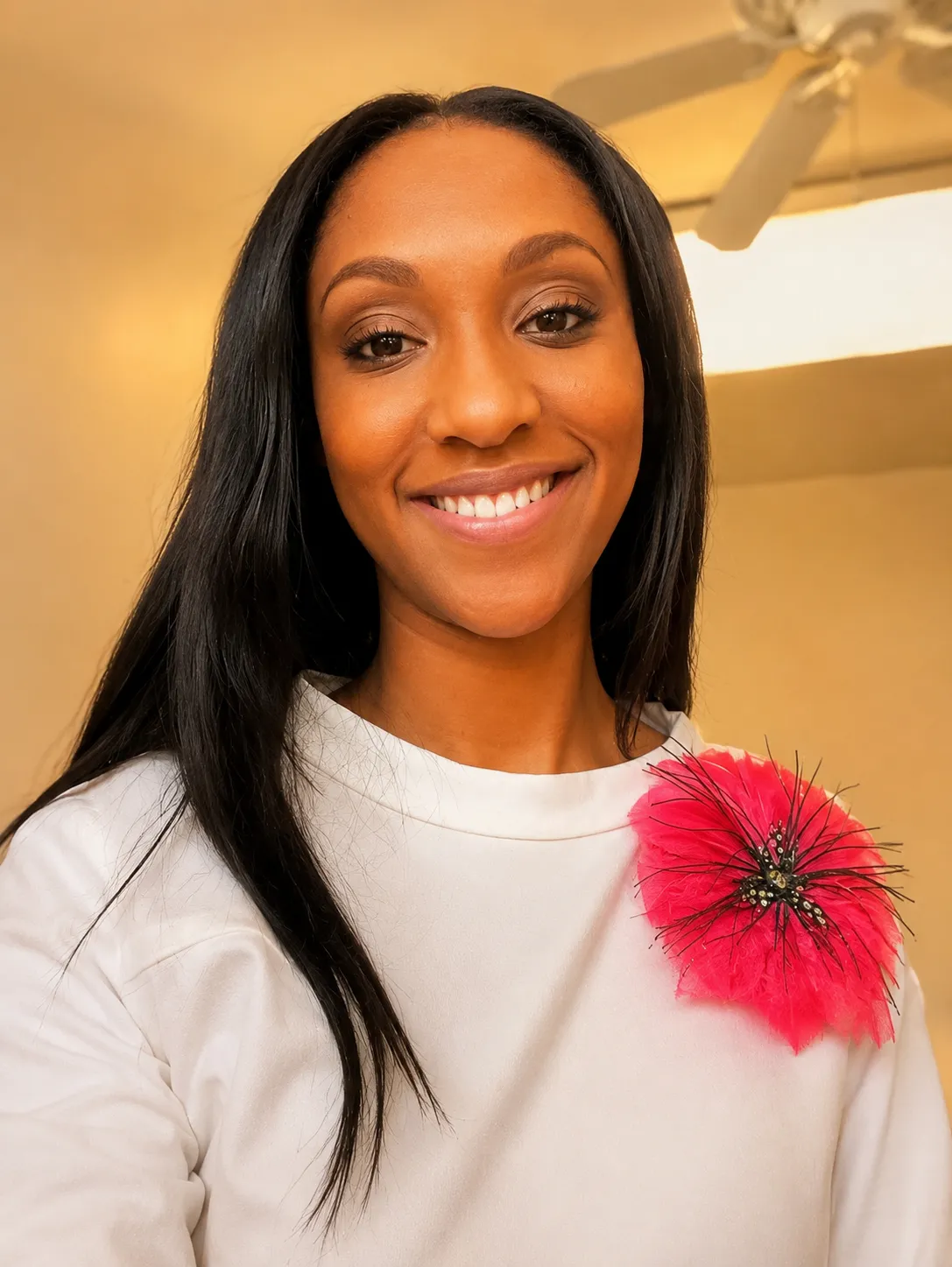
I’m Shariyfa Polite, LCSW, a trauma and PTSD therapist for women in Raleigh, NC. I help women who look strong on the outside but feel anxious, numb, guarded, or disconnected on the inside.
Many of the women I work with grew up having to be strong. They learned how to keep going, stay quiet, please others, avoid conflict, and carry pain without any help. Now, that pain is showing up in their relationships, mood, body, boundaries, and sense of self.
This is why this work matters so much to me. I know trauma can make you feel like you always have to brace for what might happen next. It can make you question if you are too much, not enough, or hard to love.
In our work together, I use the S.A.F.E.R. Method along with gentle, body-based tools and parts work (getting to know the parts of you that learned to protect you, instead of fighting them). Together, this helps you build self-awareness, understand your patterns, let go of the ways of coping you don’t need anymore, and rebuild trust with yourself.
You do not have to keep surviving the story alone. I’m here to help you feel safe in your body, honest about your needs, and more connected to the woman you are becoming.
The Process: From Surviving to Feeling Safe
Healing doesn’t happen all at once, and it doesn’t move in a straight line. In our work together, it tends to move through three phases:
Safety first.
Before we process anything, we build tools so your body has somewhere to land besides shutdown, panic, or numbing out.
Understanding your patterns.
We connect what happened then to how you show up now: the guardedness, the overgiving, the bracing for impact that made sense once and may not serve you anymore.
Rebuilding trust in yourself.
You stop needing to prove you’re okay and start actually feeling calmer in your body, your relationships, and your own decisions.


In a crisis, you deserve support right now.
If you are in immediate crisis or having thoughts of harming yourself, please reach out. You do not have to go through this alone. Call or text 988 to reach the Suicide and Crisis Lifeline, or text HOME to 741741 for the Crisis Text Line.
Frequently asked questions
111
222
333
444
555
666
Get started
You Don’t Have to Keep Carrying It All Alone.
When you’re ready, I’m here.
