
Trauma & PTSD Therapy for Women in Raleigh, NC
Online therapy for women in Raleigh, NC and across NC, TX, IL, VA, PA, DE, and MD


Your body is waiting for you to tell the truth about what happened to you. You don't have to say it all today. You just have to start somewhere safe.
You feel off, on edge, numb, or stuck. A friend makes a rude comment, and you act like it didn't hurt. But later, your body remembers. Your stomach feels upset. Your mood shifts. Your mind starts replaying what happened. That can be how trauma lives in the body.
Some days, you feel nothing. Other days, you feel everything and do not know what to do with it.
You may pull away from people before they can hurt you. Or you may keep showing up, overgiving, and trying to prove you deserve love. That can be trauma, too.

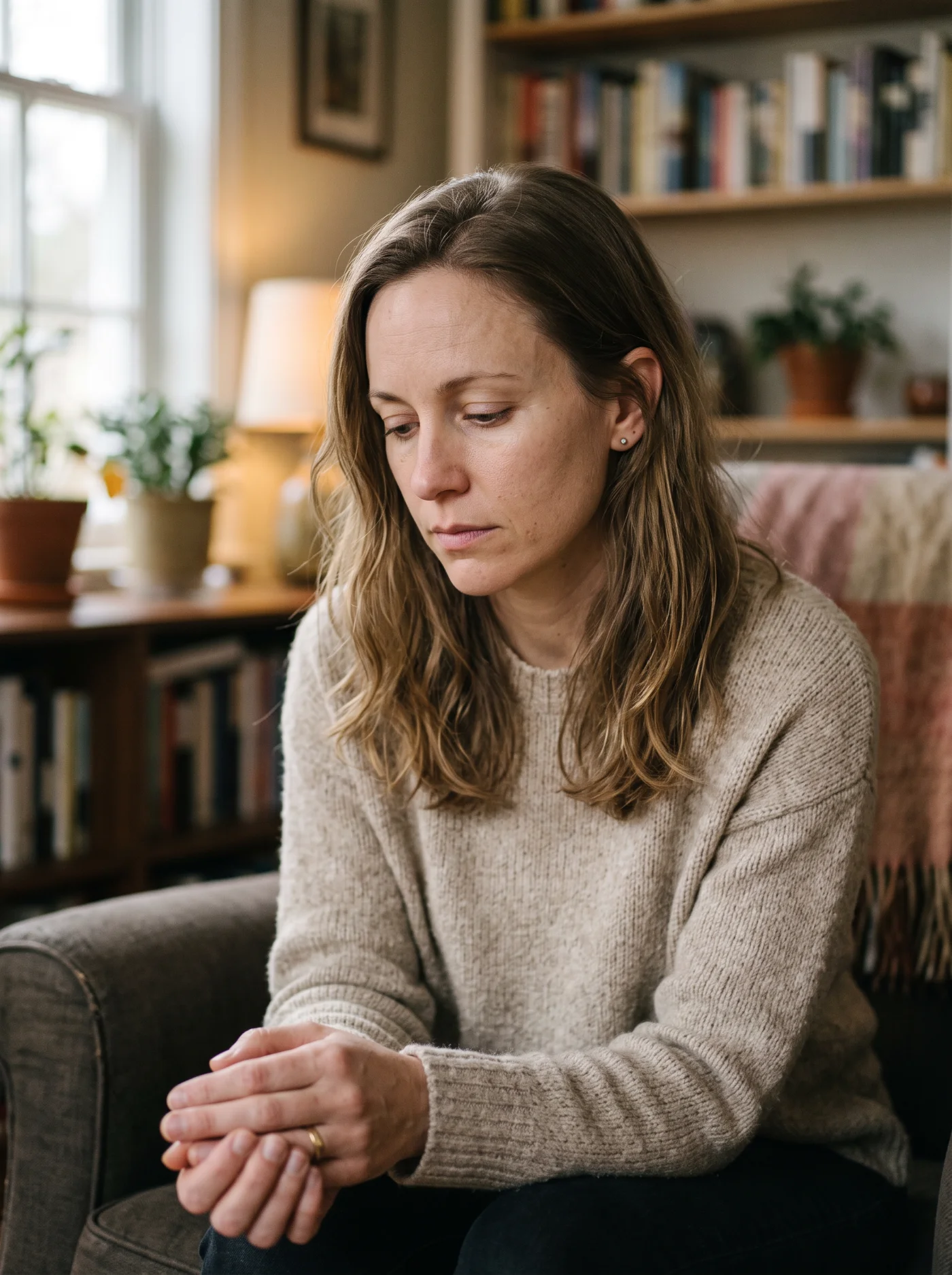
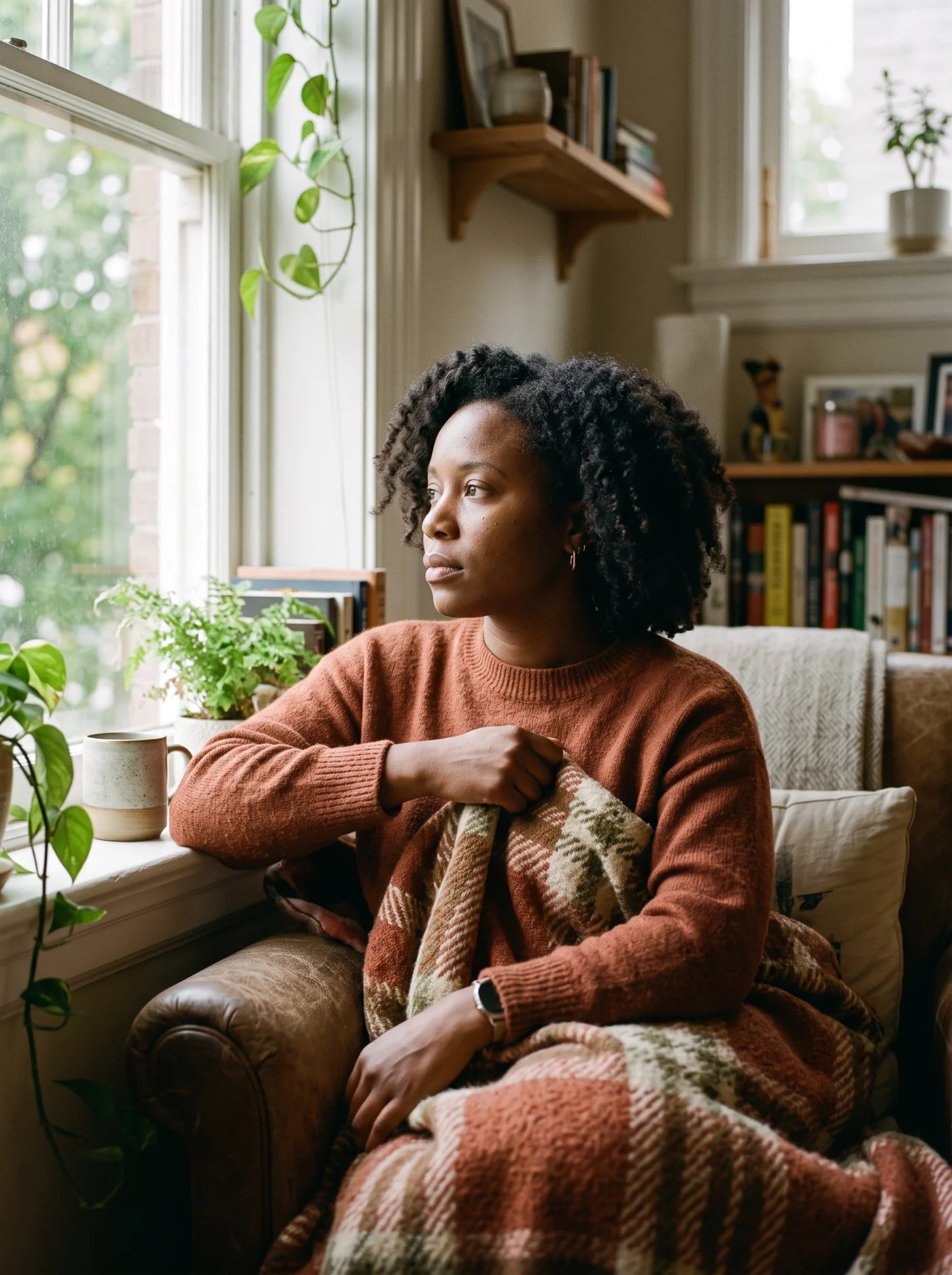
Signs Trauma Is Still Affecting You
Does this feel familiar?
- Feeling triggered by things that seem small to everyone else
- Going numb or “checking out” during conflict
- Overexplaining yourself, or apologizing for things that aren't your fault
- A body with constant tension even when nothing is actively wrong
You have spent years trying to "get over it," but the pain still shows up in your relationships, your mood, your body, and the way you see yourself.
Maybe you are reminded of childhood experiences you thought were behind you. Maybe you remember everything clearly. Maybe you only remember pieces. Either way, your body may still be carrying what your mind had to get through.
Trauma is not what happened to you. It is how your mind and body behave to protect you after something felt unsafe, painful, or too much to hold alone.
When It’s More Than Everyday Stress: Signs of PTSD
- Intrusive memories: flashbacks, nightmares, or moments where it feels like you're right back in it
- Avoidance: steering clear of people, places, or conversations that remind you of what happened
- Hyperarousal: feeling jumpy, easily startled, or unable to fully relax, even in “safe” places
- Changes in mood or beliefs: feeling numb, distant from people you love, or convinced something is wrong with you
These aren't a diagnosis, just common ways PTSD shows up. If several sound familiar, it's worth talking to someone. Trauma and PTSD therapy for women can help you build self-awareness, understand your triggers, and begin to feel safer in your body.


How Trauma & PTSD Therapy Can Help
Trauma and PTSD therapy for women can help you build self-awareness, understand your triggers, and begin to feel safer in your body.
Healing doesn't happen all at once, and it doesn't move in a straight line. In our work together, it tends to move through three phases:
Safety first.
Before we process anything, we build tools so your body has somewhere to land besides shutdown, panic, or numbing out.
Understanding your patterns.
We connect what happened then to how you show up now: the guardedness, the overgiving, the bracing for impact that made sense once and may not serve you anymore.
Rebuilding trust in yourself.
You stop needing to prove you're okay and start actually feeling calmer in your body, your relationships, and your own decisions.

What Becomes Possible
This work can help you:
- Understand how past experiences still affect your present life
- Notice your trauma triggers without judging yourself
- Build nervous system tools to calm flashbacks, hypervigilance, or shutdown
- Feel more connected to your body, needs, and emotions
- Create safer relationships with yourself and others
- Find steadier moods and more emotional balance
Healing isn't about pretending it never happened. It's learning how to carry your story without letting it control your whole life.
This kind of healing takes time, and it starts with one honest conversation.

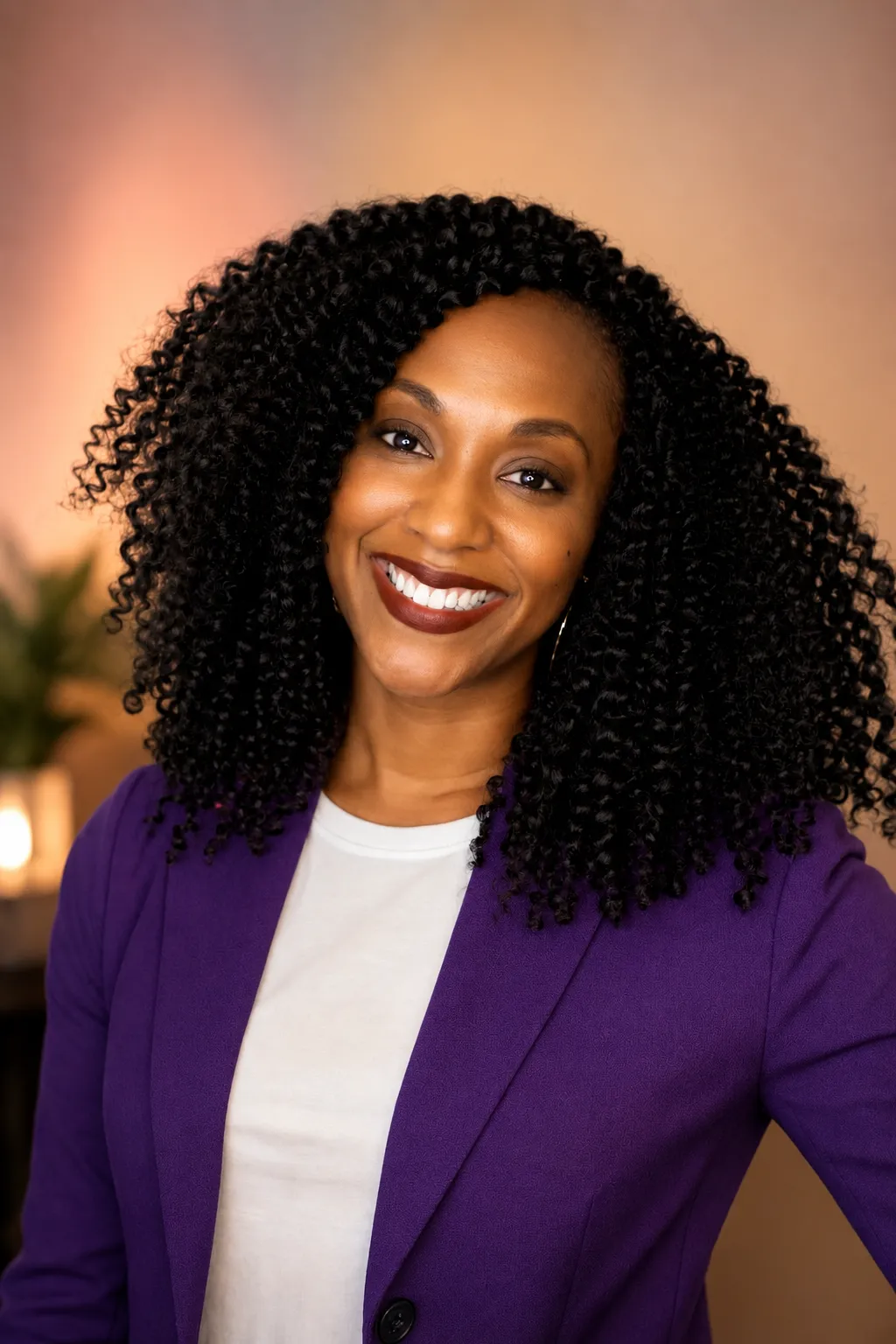
How I Help Women Heal From Trauma and PTSD in Raleigh, NC
I'm Shariyfa Polite, LCSW, a trauma and PTSD therapist for women in Raleigh, NC. I help women who look strong on the outside but feel overwhelmed, numb, guarded, or disconnected on the inside.

Many of the women I work with grew up having to be strong. They learned how to keep going, stay quiet, please others, avoid conflict, and carry pain without any help. Now, that pain is showing up in their relationships, mood, body, boundaries, and sense of self.
This is why this work matters so much to me. I know trauma can make you feel like you always have to brace for what might happen next. It can make you question if you are too much, not enough, or hard to love.
In our work together, I use the S.A.F.E.R. Method along with gentle, body-based tools and parts work (getting to know the parts of you that learned to protect you, instead of fighting them). Together, this helps you build self-awareness, understand your patterns, let go of the ways of coping you don't need anymore, and rebuild trust with yourself.
You do not have to keep surviving the story alone.
I'm here to help you feel safe in your body, honest about your needs, and more connected to the woman you are becoming.
In a crisis, you deserve support right now.
If you are thinking about harming yourself or you are in immediate danger, please reach out. Call or text 988 (the Suicide and Crisis Lifeline) any time, day or night. In a life-threatening emergency, call 911. You do not have to wait until it gets worse. You deserve care right now, not later.
Frequently Asked Questions
Trauma is what happened, and how your mind and body adapted to survive it. PTSD is a specific set of symptoms, like flashbacks, avoidance, and hyperarousal, that can develop when that adaptation gets stuck in the “on” position. You don't need a PTSD diagnosis for trauma therapy to help.
Not before you're ready. We go at your pace. Healing trauma is more about helping your body feel safe than retelling every detail. You stay in control of what you share and when.
Yes. Many women carry childhood experiences into adulthood without realizing how much they still shape their mood, relationships, and sense of self. Therapy helps you understand those patterns and slowly let them go.
Yes. All of my sessions are virtual. I see women in Raleigh and across North Carolina, plus Texas, Illinois, Virginia, Pennsylvania, Delaware, and Maryland.
It's the framework I use to help women move from surviving to feeling safe and whole again, one small step at a time.
There's no fixed timeline. Some women notice a shift within a few months. Patterns rooted in childhood or PTSD tend to take longer. We check in regularly on what's working and adjust as we go.
You're not alone, and you're not a burden for feeling this way. These thoughts are a sign you're carrying too much, not that something is wrong with you. It’s safe to talk about it honestly. If you're ever in immediate danger, call or text 988 any time, or call 911 in a life-threatening emergency. You deserve support right now.


Get started with Trauma Therapy in Raleigh, NC
You deserve more than just holding it all together.
When you’re ready, I’m here.